Rekeying and new locks
We rekey and replace door locks at homes, rentals and businesses across St. Lucie County, Martin County and Melbourne. You hear the full price on the phone before we head your way.
Prefer to write? Send a quote request
Quick answer
To rekey locks in Port St. Lucie, a locksmith takes the cylinder out, swaps the small pins inside to fit a new key, and puts it back. Your hardware stays, and every old key stops working. Rekeying is usually cheaper than buying new locks. Replace instead when a lock is worn, damaged, or too low a grade.
Lock and car brands we work on
When we rekey locks in Port St. Lucie, we change the inside of each lock so it answers to a new key. The knob, lever or deadbolt you see on the door stays exactly where it is.
Most home locks are pin tumbler locks. Inside the round cylinder is a plug that turns when the key is right. A row of small pin stacks runs through the plug and the housing around it. Each stack has a key pin on the bottom, a driver pin on top, and a tiny spring pushing down. With no key in, the pins sit across the gap between the plug and the housing, so the plug cannot turn. That gap is called the shear line.
Each cut on your key lifts one stack to a certain height. When every key pin’s top lines up with the shear line, the plug turns and the bolt moves. A key with different cuts leaves at least one stack in the way.
Rekeying swaps the key pins for new lengths that match a new key. The old key now lifts the stacks to the wrong heights, so it cannot turn the lock. Nothing on the door changes, which is why rekeying usually costs less than new hardware.

We remove the knob or deadbolt cylinder from the door. On many locks this takes a few screws and a retaining clip.
With the plug turned, a plug follower tool slides in behind it so the drivers and springs stay in the housing while the plug comes out.
We dump the old key pins and drop in new ones sized for your new key, using a key gauge to read each cut.
The plug goes back in, the cylinder goes back on the door, and we try the new key and the old key with the door open and closed.

New home? Rekey before you move in.
Rekey any time the list of people who hold a key changes.
Sellers, their relatives, past renters, agents and repair crews may still have keys. You cannot collect them all, but you can make them all useless.
A lost ring with a car fob or anything with your address on it is a real risk. Rekey soon. If a car key was on that ring, we can replace it too.
Turnover is the cheapest time to rekey, before the next tenant gets keys. Landlords can book it for the days between leases.
Anyone who no longer lives there but still has a key can still walk in. A quick rekey settles it without a hard conversation about getting the key back.
If someone got in with a key, rekey every door. If the door was forced, the lock or strike may need replacing too, so we check the frame as well.
Builder locks are often set up for a construction key that opens many homes in the same subdivision. Rekeying takes out those extra pins.
Yes, as long as the locks share the same brand and keyway. Getting different locks to work with a single key is called keying alike. Each brand cuts its keys for its own keyway shape, so one brand’s key generally will not even slide into the other’s lock. If your front door is Schlage and the garage entry door is Kwikset, one of them needs a new cylinder or a new lock first.
Keyed alike is not the same as master keyed. With keyed alike, every key opens every lock. With a master key system, each door has its own key and one master opens them all. That is handy for landlords and offices, but it adds a second shear line at each pin position. A 6-pin cylinder with two shear lines in each chamber can be opened by up to 64 different keys. Most single homes are better off without it. For rentals and businesses, see our master key systems page.
New construction is where hidden master pins show up most. The Society of Professional Locksmiths warns that builder locks often use construction master keying, and that up to 32 different keys may operate a lock set up that way. If you bought a new home in Tradition or any newer subdivision, ask us to rekey and remove those extra pins.
A Kwikset SmartKey lock can be rekeyed by the owner in seconds, but only if you have a key that works in it right now. You also need the SmartKey tool and a new Kwikset key of the same type, called KW1. At least one national builder, KB Home, fits SmartKey locks and teaches buyers to rekey them at the final inspection.
The steps are short. Put in the working key and turn it a quarter turn. Push the SmartKey tool into the small hole beside the keyway, then pull the tool and the old key out. Push in the new key all the way and turn it. Kwikset’s instructions say to do this with the lock on the door and the door open.
Call and we will quote the total before we drive out. Sun to Thu 7am to 11pm, Fri 7am to 5pm.
Typical ranges in our service area. Your exact total is quoted on the phone before we drive out.
| Job | Typical range | What is included |
|---|---|---|
| Rekey, first lock | $95 to $150 | The trip plus your first knob or deadbolt cylinder |
| Each additional cylinder | $25 to $50 | Every extra knob or deadbolt set to the same key |
| New lock install | $75 to $150 | Labor to fit a deadbolt or knob set you supply |
| Smart lock install | $125 to $225 | Swap a keyed deadbolt for a keypad or app lock |
| Master key system | $85 to $175 | Per door, for rentals and businesses |
A front door with a knob and a deadbolt is two cylinders: the first-lock price plus one additional. Add the back door and garage entry door deadbolts and you have four. Typical ranges only. Your exact total is quoted on the phone before we drive out. See the full price list.
It depends on how many cylinders you have and what brand they are. A SmartKey cylinder takes seconds once you have the working key. A pin tumbler lock takes longer, because the cylinder comes off the door and apart. If no working key is around and we have to open the lock first, add time for that.
Swapping a whole lock takes more time than rekeying it. One home improvement guide puts a do-it-yourself lock change at about 40 minutes of hands-on work. Tell us the number of doors and the brands on the call and we will give you a time estimate along with the price.
If you would rather plan ahead, use our quote form. Rekeys are booked during our regular hours, Sunday to Thursday 7am to 11pm and Friday 7am to 5pm. We are closed Saturday.
Salt air and humidity are the reason a rekey sometimes turns into a replacement here. Near the coast, salt can rust the springs and wear the parts inside a cylinder. If we open a lock for rekeying and find that, new pins would just go into a failing part. We show you what we found and let you choose between a rekey and a new lock.
Seasonal homes collect keys. Over a few years, a property manager, a cleaner, a pool tech and a handyman may all get one. If you spend part of the year up north, rekey when you come back, and after any change of manager.
After a hurricane, adjusters, roofers and repair crews may have been given keys so they could get in while you were away. Rekeying once the work is done brings the number of people with keys back down to just you.
Other services
Other locksmith services from the same team, with the same rule: total price on the phone first.
Locked out of a house, car or business. Damage-free entry first, proof of ownership every time.
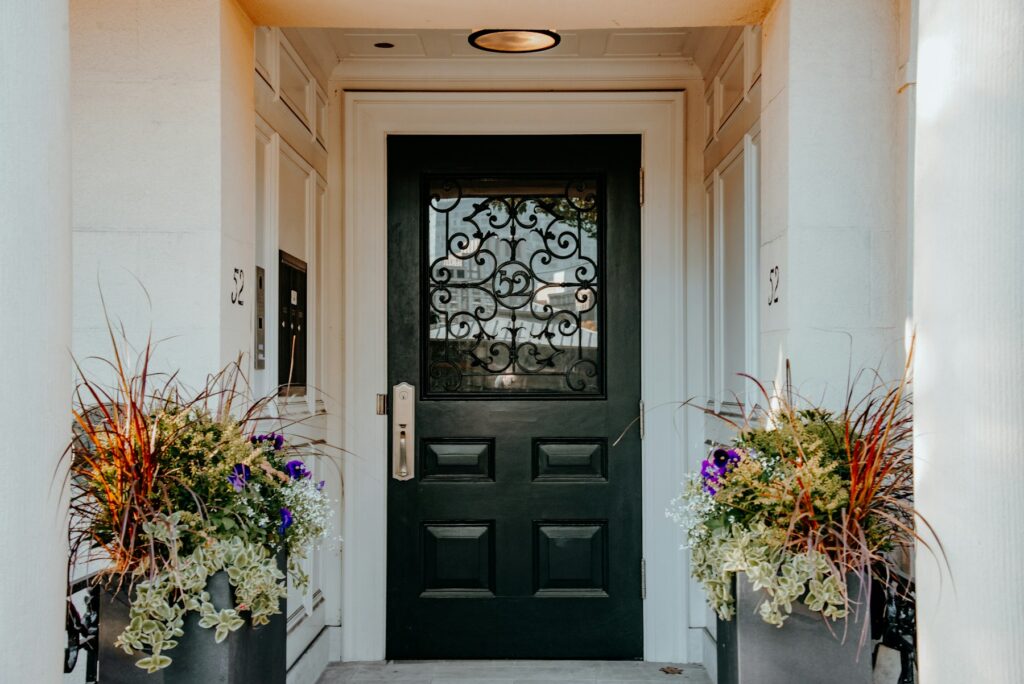
Deadbolts, knobs, sliders and storm doors fitted and repaired at your home.
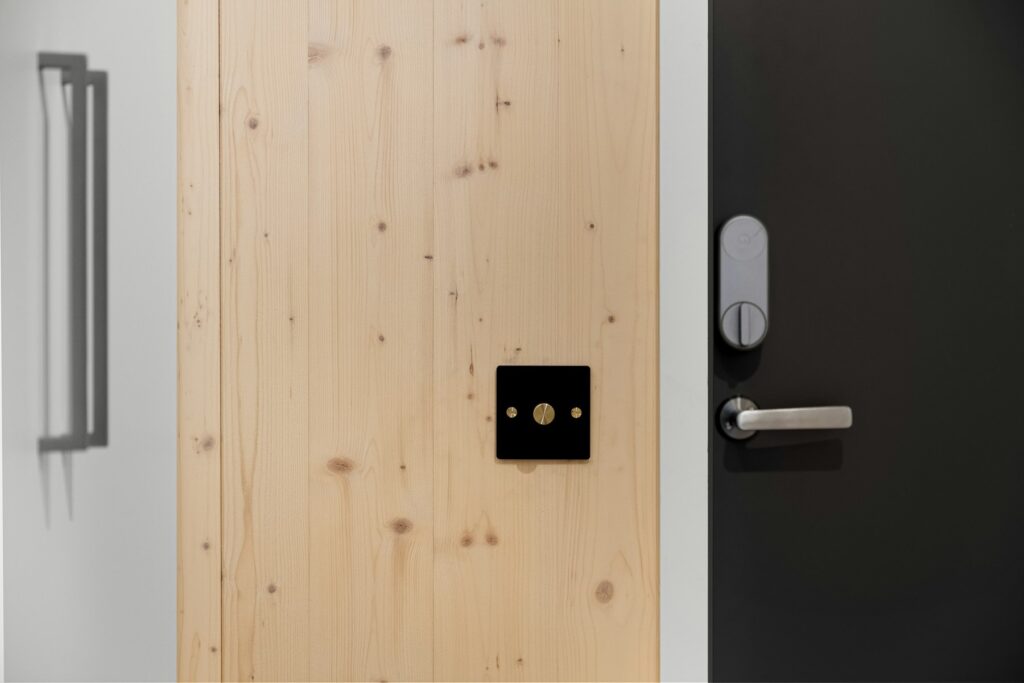
Keypad and Wi-Fi deadbolts fitted, aligned and set up with your codes.

Remote head keys, flip keys and push to start fobs, programmed on site.
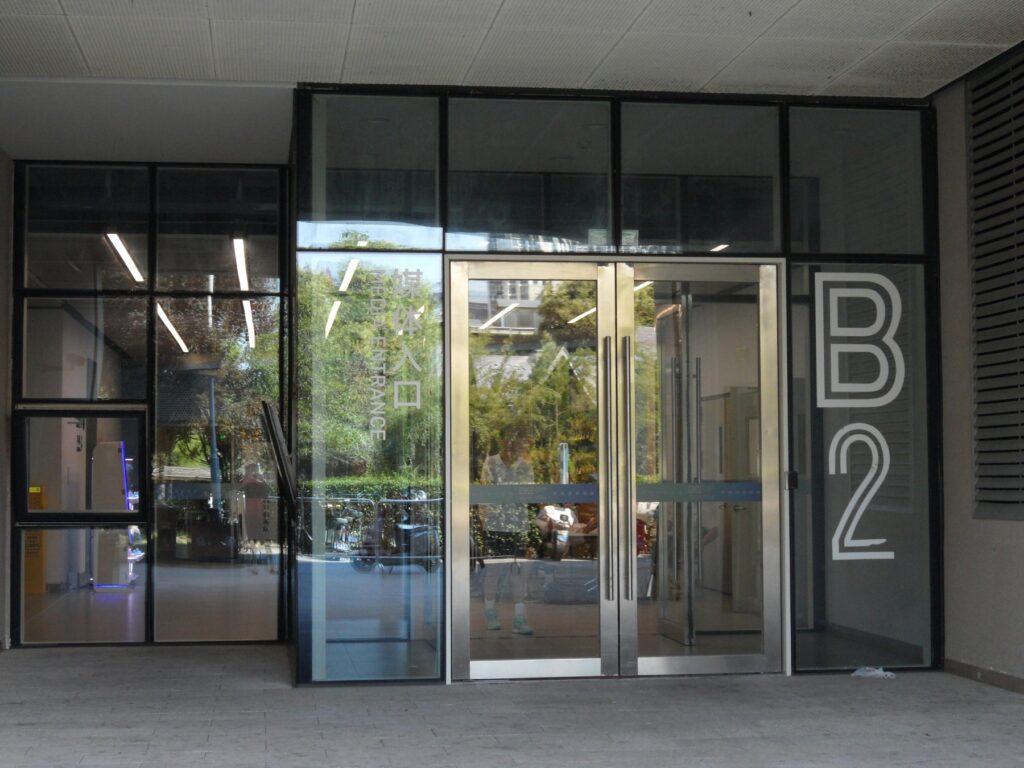
Storefront and office locks, closers, panic bars and staff change rekeys.
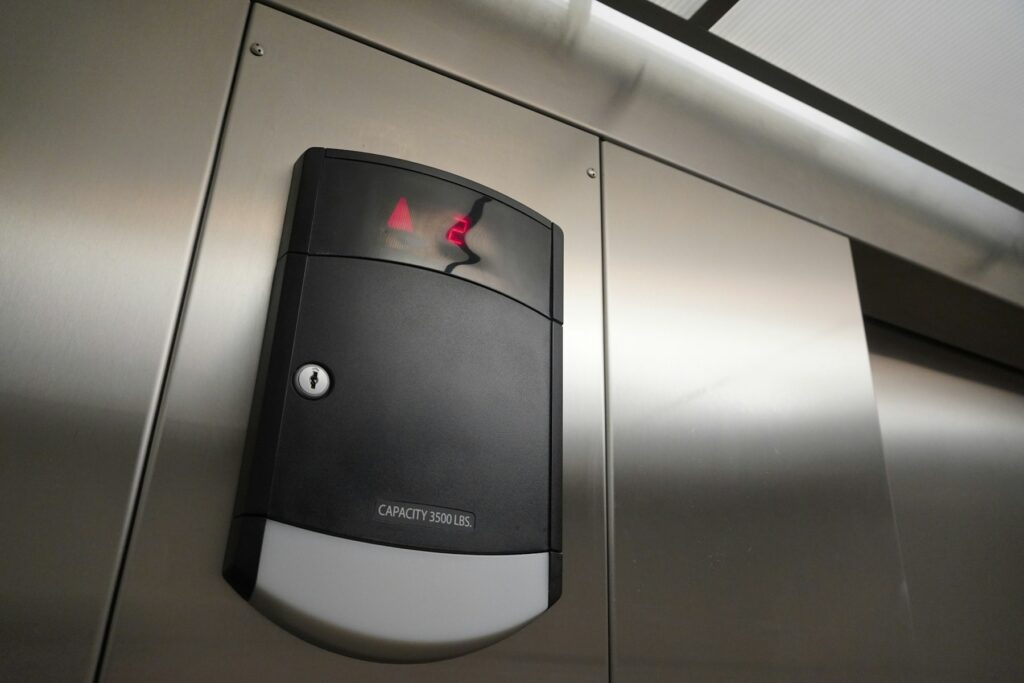
Master key systems, keypads and fob readers for offices and rentals.
FAQ
Rekeying is usually cheaper because you keep the hardware and only pay for new pins and labor. A typical rekey is $95 to $150 for the first lock including the trip, and $25 to $50 for each extra cylinder. Your exact total is quoted on the phone before we drive out. Buying new locks makes sense when the old ones are worn or weak.
Yes. For a pin tumbler lock, we pick it so the plug can turn, then set new pins for a new key. A Kwikset SmartKey without a working key cannot be rekeyed with the owner tool, so it has to be reset or decoded with locksmith tools first. Either way, you end up with new keys and the lost ones stop working.
Not really. Rekeying changes which key works, not how strong the lock is. The one exception is a builder lock with construction master pins. Taking those out leaves one shear line instead of two, so fewer keys can open it. For real strength, step up to a higher-grade deadbolt with a heavy strike plate.
Not as they are, because each brand has its own keyway shape. To get one key for every door, we either replace the odd cylinder or lock to match the others, or rekey everything within one brand. We go over both choices on the phone.
Yes. Even if they hand back a key, you cannot know if copies were made. Rekeying between occupants is quick, and it is the cheapest point to do it, before anyone new moves in. Rekey every lock that person had a key for, and hand out the new keys yourself so you know exactly who has one.
If your smart lock has a keyhole, that key cylinder can usually be rekeyed like any other. That matters, because an old key still opens the door even after you change every code. Rekey the cylinder and delete old user codes and app users at the same time. If your smart lock has no keyhole, changing codes and users does the job.
Ready when you are
Tell us what happened and where you are in Port St. Lucie and the Treasure Coast. You get the total price on the phone before anyone drives out.