Master keying and entry control
We design and install master key systems, keypads and fob entry for offices, rentals and associations from Port St. Lucie to Stuart and Melbourne. You get the full price on the phone first.
Prefer to write? Send a quote request
Quick answer
A master key system in Port St. Lucie lets each person carry one key that opens only the doors they need, while a manager's key opens all of them. It suits offices, medical suites, rental buildings and HOA clubhouses. When staff turn over often or you need to know who came in and when, keypads, fobs or cloud access control usually work better than keys.
Lock and car brands we work on
A master key system works by giving some locks two correct key cuts instead of one. Each person’s own key, called a change key, opens their door, and a higher level key opens that door plus others in the same group. A master key system in Port St. Lucie makes sense once your key ring gets out of hand: a property manager with a key for every unit, an office manager who opens six rooms each morning, or an HOA where the pool, gym and maintenance room each have their own key.
Inside a normal pin tumbler lock, the right key lifts each pin stack to one exact height, called the shear line, and the plug turns. In a master keyed lock, a locksmith adds a thin master wafer to some of those stacks. That creates a second height that also works. One height belongs to the change key and the other belongs to the master.
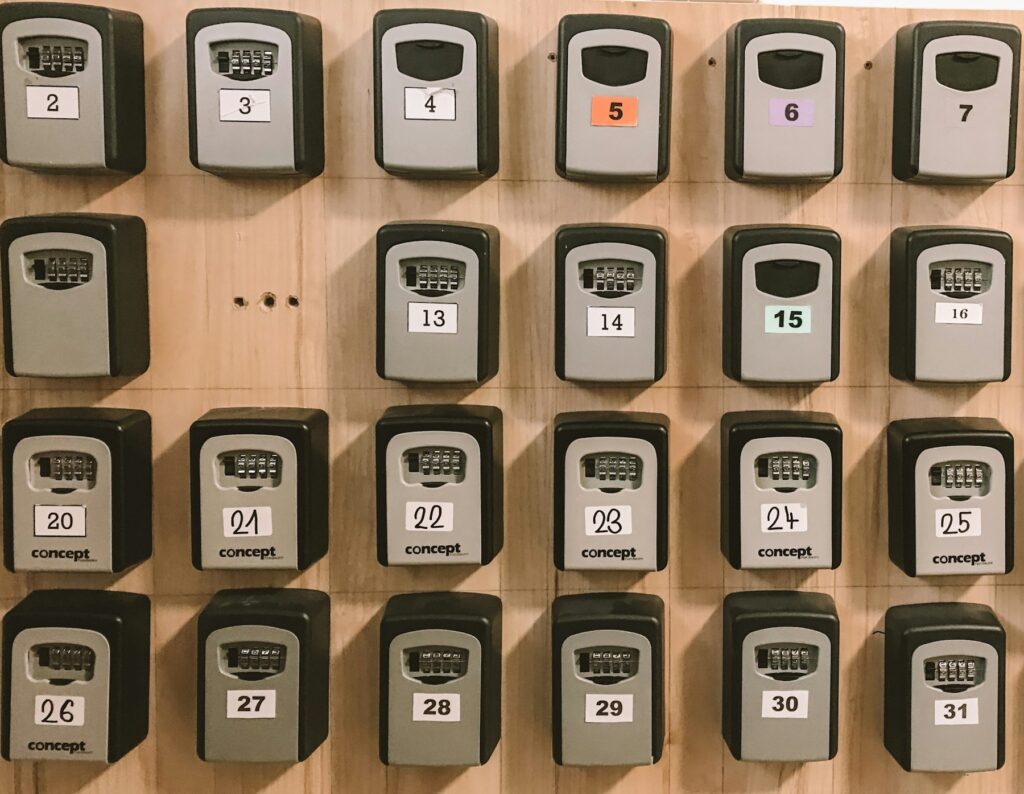
Picture a medical office with four exam rooms, a records room, a supply closet and the front door. Here is one way we might lay it out:
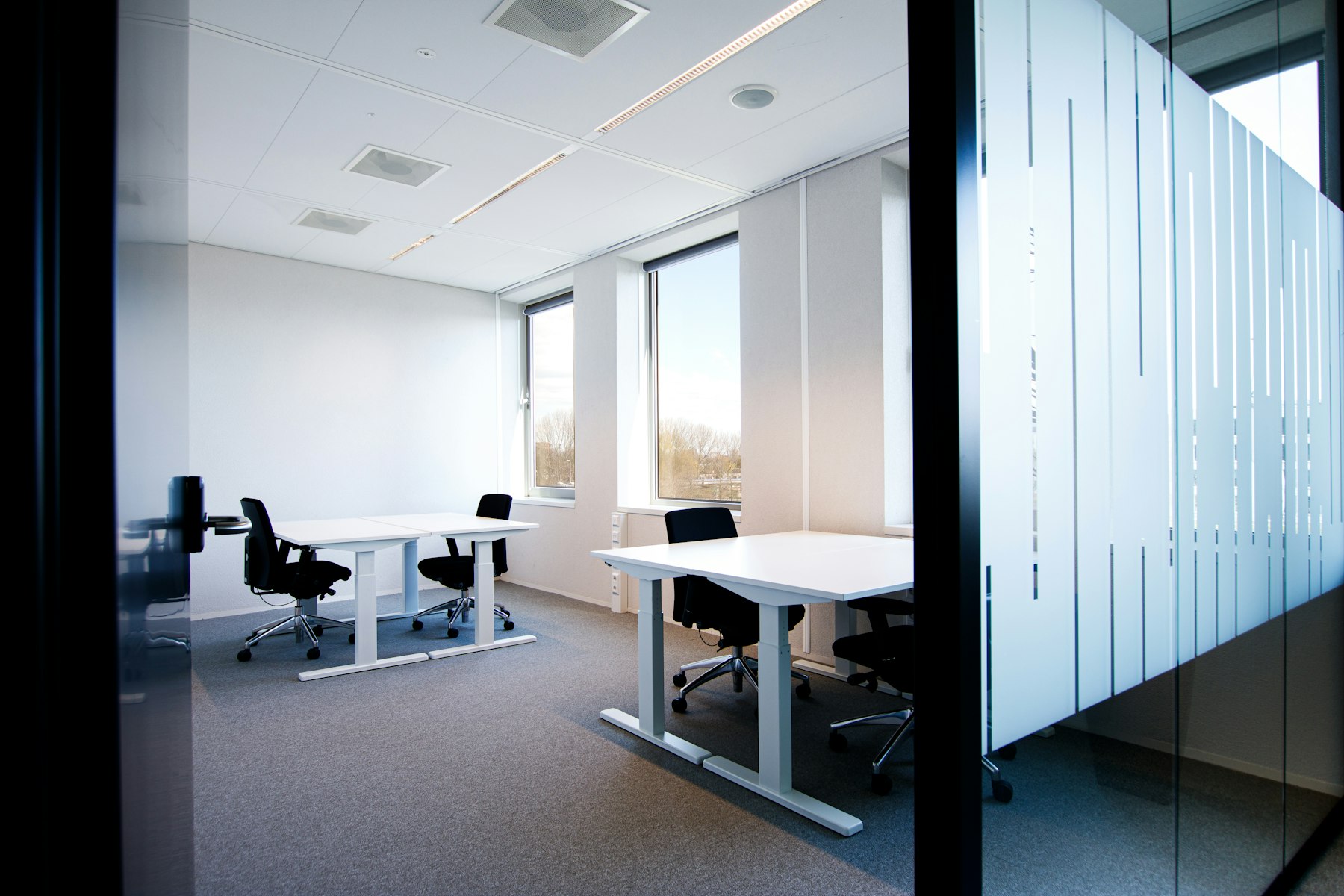
One key for the owner, the right keys for everyone else.
Most small businesses need two or three levels. Large campuses use more.
Opens one lock, or a few locks keyed alike. This is the key most people carry.
Opens a group of locks inside a larger system, like one wing, one floor or one department.
Opens every lock in its group. Often held by the manager or the maintenance lead.
Opens several master groups, such as every building in a complex or every location of one company.
The top level, used by owners who run many properties. A single shop or office never needs it.
Every level you add puts more wafers in the locks, and every wafer is another way for a key to turn. One reference puts a number on it: a six pin cylinder with two working heights in every chamber can be opened by up to 64 different cut combinations. Most of those are keys nobody meant to make.
There is a known weakness, too. Security researchers showed that someone with one change key and one lock from the system can work out the top master using blank keys and a file. The defenses are high security cylinders with side or angle cuts that cannot be copied by hand, blanks that are hard to get, and keeping the master off doors that do not need it.
So we keep the system as flat as your building allows. If two levels do the job, we will not sell you four.
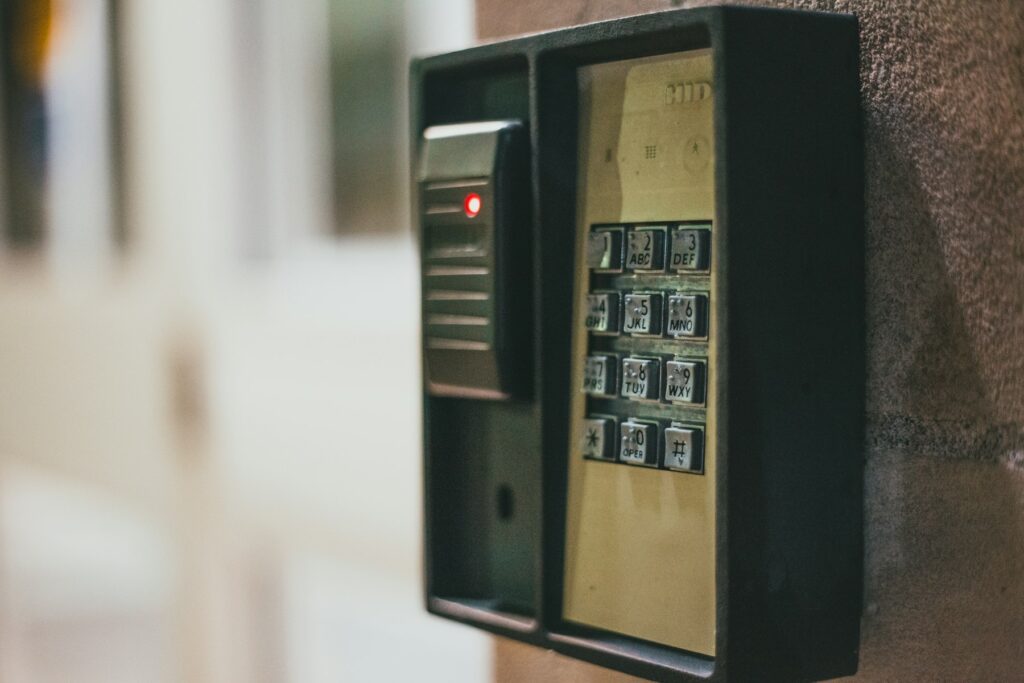
The bitting schedule is the master list of every key cut in your system. Whoever has it can make any key, including the top master. Treat it like a bank password: kept off site, shared with as few people as possible, and updated whenever the system changes.
Your system is only as safe as the blank it is cut on. A master system on a common keyway can be copied at any hardware store. Restricted and patented keyways limit who can buy blanks and cut copies. Some ask for ID and employer approval before a new key is made.
Interchangeable cores help when you rekey often. With a small format interchangeable core, the whole core slides out with a control key in about 10 to 15 seconds, compared with roughly 10 to 30 minutes to repin a standard cylinder. The control key then becomes one more key to guard closely.
Codes live in the lock itself. Easy to install, nothing to wire back to an office. The catch is that you add or delete users at each door, one by one, and many basic units keep no entry history.
Readers at each door tied to a controller. Change one person’s access from one place and every door follows. Movements through each door can be recorded, and some systems need a card and a PIN together.
You manage users from a phone or browser. A person can be removed from every door in one step, and phones can act as credentials. Better systems store rules in the door controller so doors still work if the internet drops, then upload the logs later.
An audit trail is a time stamped list of what happened at each door: access granted, access denied, a door held open too long, or someone tampering with a reader. Good systems let you export that list.
That record settles questions keys cannot. Who opened the stock room on Sunday night? Did the cleaning crew arrive when they billed? Which fob keeps failing at the side gate? With a standalone keypad you may get no answer at all, so if the history matters to you, tell us before we choose hardware.

Call and we will quote the total before we drive out. Sun to Thu 7am to 11pm, Fri 7am to 5pm.
Older 125 kHz proximity cards carry no encryption, and one industry write-up showed a cheap handheld reader copying one in about 15 seconds. For new installs, choose encrypted 13.56 MHz cards such as DESFire, or phone credentials.
A fail safe lock unlocks when it loses power. A fail secure lock stays locked and needs power to open. Storms can cut power here, so that choice matters.
Fail secure is the usual pick for most doors, so a blackout does not leave the building open. With standard hardware, people inside can still leave either way, because the inside lever or panic bar works by hand. Fire rated doors that use an electric strike must use a fail secure strike so the door stays latched in a fire. Stairwell doors that must let people back in are one of the few places where fail safe hardware is the rule.
We list each opening: outside doors, offices, storage, mechanical rooms and gates. Door photos sent through our quote form let us price it before the visit.
Who needs which doors, and at what hours? Owners, managers, staff, cleaners, vendors and emergency access each get a level.
Mechanical keys, keypads, fobs or a cloud system, door by door. Many buildings mix them: keys inside, fobs on the outside doors.
We plan spare key levels or reader capacity for the suite you add next year, so you are not starting over.
You get the key list or the admin login, plus a simple log of who holds what. Review it every year and after anyone with a master leaves.
Door count, hardware type and how many keys or fobs you need drive the total.
| Job | Typical range | What is included |
|---|---|---|
| Master key system | $85 to $175 | Per door, pinning to your key chart |
| Access control | $500 to $1,500 | Per door, keypad or fob hardware and setup |
| Rekey, first lock | $95 to $150 | Service call plus the first cylinder |
| Each added cylinder | $25 to $50 | Repinned on the same trip |
These are typical ranges, and your exact total is quoted on the phone before we drive out. Cloud systems usually also carry a monthly subscription per door. More detail is on our pricing page.
Our vans run out of Port St. Lucie to offices and properties in St. Lucie West, Fort Pierce, Stuart, Palm City and north to Melbourne. We start at 7am on every day we are open. Sunday through Thursday we work until 11pm, Friday until 5pm, and we are closed Saturday, so pinning a building after hours on a weeknight is easy to schedule.
If you need storefront locks, panic bars or other door hardware in the same project, our commercial locksmith page covers that side. For a single front door with a code, see smart lock installation. Call [PHONE] to talk it through.
Other services
Other locksmith services from the same team, with the same rule: total price on the phone first.
Locked out of a house, car or business. Damage-free entry first, proof of ownership every time.
Deadbolts, knobs, sliders and storm doors fitted and repaired at your home.

New pins so old keys stop working, or new hardware when the lock is worn out.
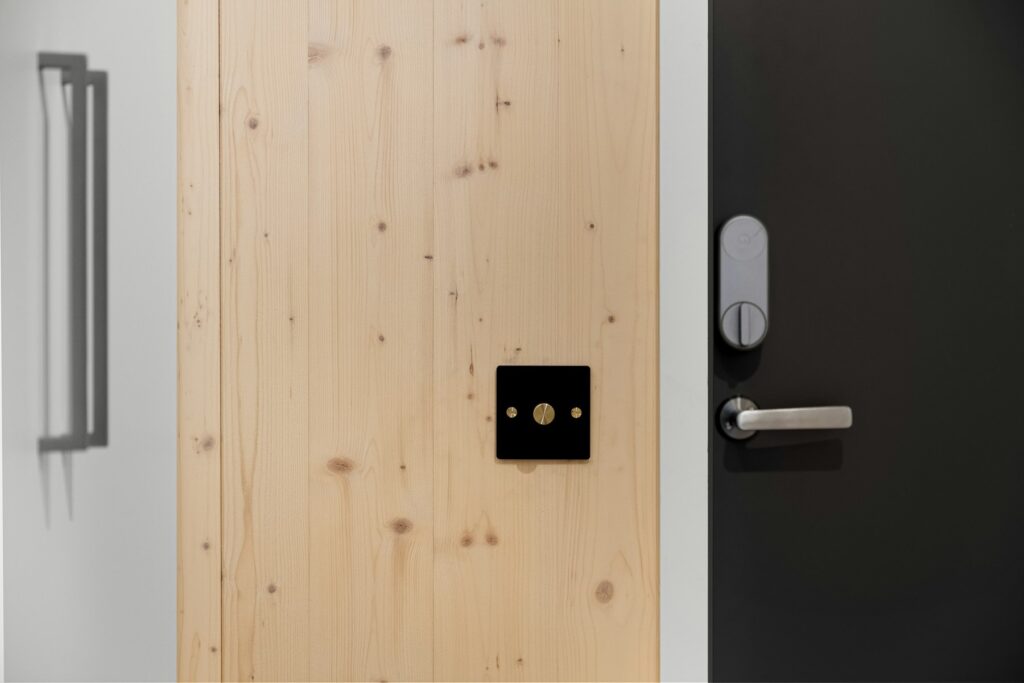
Keypad and Wi-Fi deadbolts fitted, aligned and set up with your codes.

Remote head keys, flip keys and push to start fobs, programmed on site.
Storefront and office locks, closers, panic bars and staff change rekeys.
FAQ
Often, yes. If your locks are pin tumbler and share a keyway or can take new cylinders that do, we repin them to a master chart. Very old, worn or bargain locks may not hold a master system well, because worn cylinders can let keys open doors they should not. We look first and tell you which locks to keep.
Every lock that master opens is exposed, so those cylinders need repinning to new cuts. That is why we keep master levels to as few people as possible and put the system on a restricted keyway. With interchangeable cores, the cores can be swapped quickly with a control key instead of repinning each lock on site.
A little. The master wafers add more working heights in each pin stack, so the lock has more ways to turn. Keeping the number of levels low, using high security cylinders and keeping the master off rooms that do not need it all cut that risk down.
Most small offices and shops do fine with two: change keys and one master. Multi-building properties may add a grand master. Each extra level adds wafers to every lock in the system, so we only add one when there is a real need for it.
Some do and many do not. Basic standalone keypads store codes at the door and often keep no entry history. Fob systems and cloud systems record each door event and let you export the log. If you need that record, say so when you call so we quote the right hardware.
On systems where the door controllers store the access rules on site, yes. Known fobs and codes keep working, and the logs upload once the connection comes back. Ask about this before you buy. A power cut is a different question, and that comes down to whether the lock is fail safe or fail secure.
Yes. Fobs and codes work well for shared spaces because a resident who moves out can be turned off without rekeying anything. Hours can be limited too, so the gym or pool opens only during posted times. We plan the readers and hardware with the board before any install.
Ready when you are
Tell us what happened and where you are in Port St. Lucie and the Treasure Coast. You get the total price on the phone before anyone drives out.